


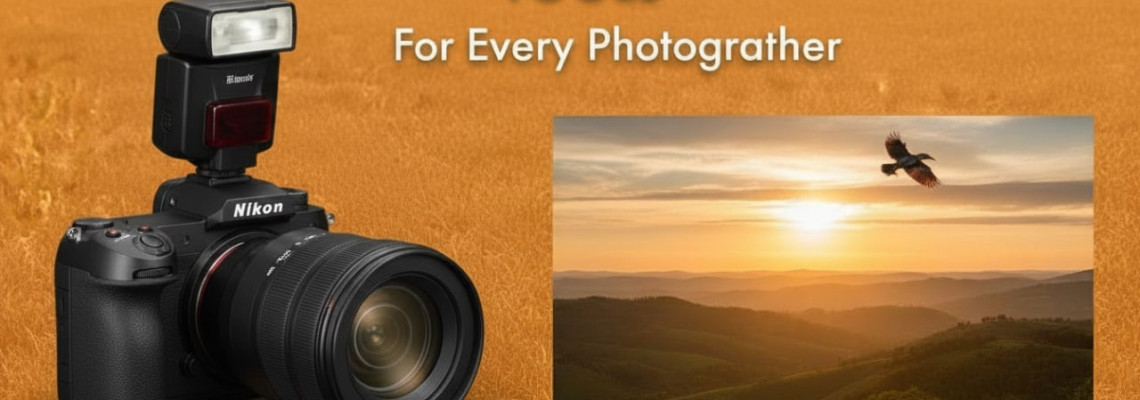
Must-have photography accessories can transform an ordinary shoot into a professional masterpiece. Whether someone is a beginner or seasoned photographer, the right gear empowers creativity and reliability. This guide shows why investing in such accessories brings lasting value. It lays out essential gear, smart add-ons, budget-friendly tools, and advanced accessories for content creators and enthusiasts.
By the end, the reader at Geonline will know which gear to add next — and how it can improve real-world photography.
Why invest in must-have photography accessories?
Photography often starts with a good camera. But the difference between snapshots and professional results lies in accessories. Without proper support gear, lighting, or protection, even the best camera can fall short.
Also, accessories help overcome common pain points: shaky shots, poor lighting, lens flares, dust damage, or portability struggles. In addition, they add creative flexibility — letting a photographer work in low light, shoot macro close-ups, or stabilize video.
Therefore, a smart accessory kit isn’t luxury — it’s a foundation.
Essential Camera Gear: The Core Tools
Camera body, memory cards and spare batteries
Reliable memory cards: Fast and high-capacity cards handle RAW and 4K, reducing lag.
Spare batteries: Shoot longer without interruption, crucial for events or travel.
Protective camera bag: Shields gear from dust and shocks.
Also, organizing small items (SD cards, lens caps) prevents mishaps.
Why this matters
A strong foundation means less downtime and more creativity. For a beginner especially, robust essentials avoid frustrations early on.
Tripod and Stabilizer Tools: Stability Matters
Stable shots separate casual snaps from pro-level images.
Recommended tools
Lightweight tripod: Great for landscapes, portraits, and long exposures.
Compact travel tripod: Portable for on-the-go shoots.
Handheld stabilizer or gimbal: Ideal for video or smooth motion shots.
Benefits
Sharp long-exposure shots at night or in low light.
Smooth video footage without jitter.
Consistent composition in portrait or product photography.
For content creators, a tripod becomes indispensable.
Creative Lens Accessories & Photography Filters and Effects
Lenses create the core image. Add accessories — and you unlock new creative possibilities.
Popular lens tools
Lens hood: Reduces flare and boosts contrast.
UV / protective filter: Shields lens surface from scratches and dust.
Circular polarizer filter: Cuts reflections and deepens skies in outdoor photography.
Macro extension tubes or close-up filters: Enables macro photography without buying a dedicated lens.
Also, cheap filters sometimes distort color. So invest in quality when possible.
Real-world uses
Landscape photographers love polarizers to make skies pop and water clearer.
Macro tools help catch fine details — insects, textures, or food photography.
Protective filters preserve lens value over time.
Lighting Accessories for Photographers: Light is Everything
Good light can transform a mediocre shot into magic.
Studio & portable lighting gear
External flash / speedlight: Adds light when ambient light fails.
Reflector and diffuser kit: Softens harsh light and balances shadows.
Continuous LED light panels: Great for video or product shoots.
Portable ring light: Ideal for portraits or vlogging.
Why photographers love them
Balanced light eliminates sharp shadows.
Soft light flatters subjects.
Controlled lighting helps manage mood and tone.
Moreover, portable lighting accessories add flexibility when shooting outdoors or on location.
Camera Cleaning Accessories & Maintenance Gear
Dust, fingerprints, or smudges degrade image quality and harm gear longevity.
Essential cleaning tools:
Microfiber cleaning cloths
Lens blower (air blower)
Lens brush
Sensor-cleaning swabs (for advanced users)
Dust-proof camera bag
Also, regular cleaning extends equipment life and preserves photo quality.
Portable Photography Accessories & Smartphone Photography Accessories
Not everyone shoots with bulky DSLRs. Many depend on smartphones or compact gear. Portable accessories help them punch above the weight class.
Handy portable tools
Compact tripods for phones or small cameras — for vlogs, travel, or street photography.
Clip-on smartphone lenses (wide-angle, macro, fisheye) — give creative control on the go.
Small LED lighting panels for phones — for better portraits or low-light shooting.
Portable reflectors — foldable and travel-friendly.
Therefore, even casual photographers can enjoy high-quality results without heavy luggage.
Budget-Friendly Photography Tools vs Advanced Photography Accessories
Not every photographer has a big budget. But smart shopping — and knowledge — helps.
Budget-friendly essentials
When to upgrade to advanced gear
Shooting professional portraits or products → invest in high-quality lens filters and lights
Video production → use a gimbal, continuous lights, microphone, and tripod
Macro or creative shoots → consider dedicated macro lens, external flashes, or studio lights
This two-tier approach helps photographers grow gradually.
Photography Gear for Content Creators & Creative Photography Tools
Content creators — vloggers, social media shooters, small business photographers — benefit from specialized gear.
Must-have add-ons
Ring lights and LED panels — for consistent lighting on video.
External mics and audio accessories — ensures better sound for video content.
Softbox kits and reflectors — ideal for small studio setups.
Portable backdrops — adds professional look for product or portrait photography.
Also, creative photography tools — like lens adapters, filters, reflectors — give unique aesthetics. These tools help a creator build a signature style.
Wrapping It Together: Build Your Own Accessory Kit
Here’s a quick checklist for photographers building their kit:
Camera body with spare battery and good memory cards
Sturdy yet portable tripod or stabilizer
Lens hood, UV/protective filter, polarizer filter
Basic lighting: flash or LED panel + reflector/diffuser
Cleaning kit + protective bag
Smartphone accessories (tripod, clip-on lenses) for casual shoots
Budget-friendly options early on, advanced gear as needs grow
Tools for creatives: ring light, backdrop, audio, softbox
This kit adapts as photography skills improve. It supports beginners, hobbyists, and professionals alike.
People Also Ask (FAQ)
What are the must-have photography accessories for beginners?
Essential items for beginners include a reliable tripod, extra batteries, memory cards, a lens hood or UV filter, and a basic cleaning kit. These items cover stability, power backup, lens protection, and maintenance.
Do I need special filters to start photography?
Not immediately. A protective UV filter is helpful. But investing in polarizers or creative filters becomes valuable when aiming for richer landscapes or professional-level color.
Can smartphone photography benefit from accessories?
Yes. Clip-on lenses, small tripods, and portable LED lights can dramatically improve smartphone photos. They make smartphone photography more versatile and creative.
Are lighting accessories essential for portrait and indoor photography?
Absolutely. External flashes, LED panels, reflectors, or ring lights provide controlled lighting. They reduce noise, soften shadows, and make subjects stand out.
How can I keep my camera gear safe and clean?
Use a protective bag, microfiber cloths, lens blower, and dust-proof storage. Clean accessories regularly. This prevents dust, scratches, and sensor damage.
Is a tripod always necessary for photography?
For static shots, landscapes, or low-light scenes, yes. A tripod ensures stability and sharpness. For handheld or spontaneous shooting, it’s optional but still helpful.
What's a good way to balance budget and quality in photography gear?
Start with budget-friendly essentials and upgrade gradually. Prioritize core tools (tripod, lighting, protection) first. Then add creative or advanced gear as skills improve.
Final Thoughts
Must-have photography accessories matter more than one might think. They form the silent tools behind every great shot. A sturdy tripod, a good lighting setup, reliable cleaning tools — these offer freedom, flexibility, and consistent quality.
Leave a Comment