


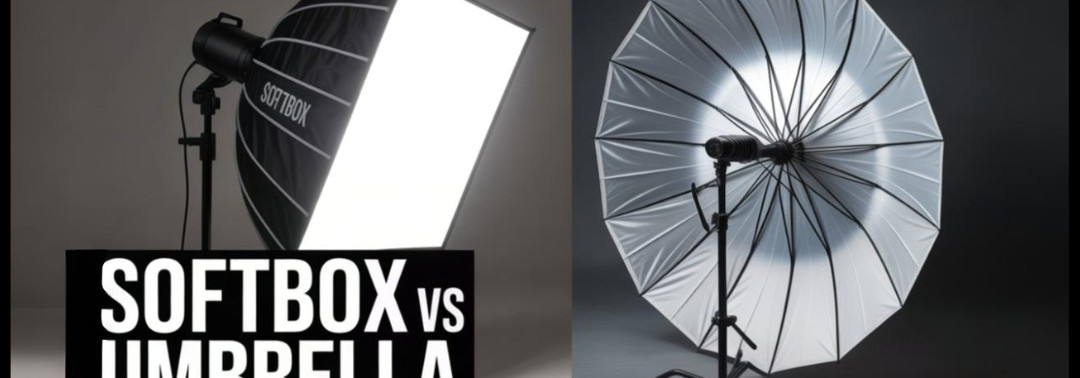
Softbox vs umbrella debates rage among photographers. Both soften light. Yet, they shape results differently. Choose wrong, and shadows ruin shots. Choose right, and images pop. This guide breaks it down. You'll learn differences, pros, cons, and when to pick each. Whether you're a beginner or pro, get practical advice here.
Photography lighting transforms ordinary scenes. Softbox and umbrella modifiers diffuse harsh flashes. They create flattering illumination. But which suits your style? Dive in to find out.
What Is a Softbox and How Does It Work?
A softbox encloses light sources. It uses fabric panels to diffuse output. Shapes vary from square to octagonal. Light exits through a front diffuser. This setup controls spill.
Softboxes attach to strobes or continuous lights. They produce even, wrap-around glows. Photographers love them for portraits. The light mimics window illumination. Soft shadows enhance skin tones.
In product photography, softboxes excel. They highlight details without glare. Setup takes minutes. Fold them flat for storage. However, bulkier models challenge travel.
What Is an Umbrella and How Does It Function?
Umbrellas reflect or transmit light. Reflective types bounce rays inward. Shoot-through versions let light pass directly. Both create broad diffusion.
Umbrellas fold like rain gear. They're lightweight and quick to deploy. Attach to a stand, point the flash inside, and shoot. Light spreads widely.
For group photos, umbrellas shine. They cover large areas evenly. Yet, control lags behind softboxes. Spill can light unwanted backgrounds.
Key Differences in Softbox vs Umbrella Lighting
Softbox vs umbrella comparisons start with directionality. Softboxes focus light forward. Umbrellas scatter it around. Efficiency matters too. Softboxes lose less light. Umbrellas waste some through sides. This affects power needs. Catchlights differ. Umbrellas make round eye reflections. Softboxes create square ones. Pros debate which looks natural.
Portability favors umbrellas. They're compact. Softboxes require assembly. Price-wise, umbrellas cost less. Entry-level models start cheap. In flash umbrella vs softbox setups, umbrellas suit speed. Softboxes demand precision.
Pros and Cons of Using a Softbox
Softboxes offer control. Direct light precisely. Add grids for spot effects. This reduces spill in studios.
Pros:
Softer, more even light
Versatile shapes and sizes
Compatible with modifiers like gels
Ideal for video too
Cons:
Higher cost
Longer setup time
Bulkier for transport
In my experience, softboxes transformed a dim studio shoot. Shadows softened instantly. Subjects glowed naturally.
However, beginners might struggle with assembly. Practice helps.
Pros and Cons of Using an Umbrella
Umbrellas provide quick diffusion. Setup in seconds. Great for on-location work.
Pros:
Affordable entry point
Portable and lightweight
Broad light coverage
Easy for novices
Cons:
More spill and less control
Potential hot spots
Limited modifier options
Can flap in wind outdoors
Photo umbrella vs softbox choices depend on mobility. Umbrellas won a beach session for me. Wind challenged, but speed saved the day.
Yet, indoors, spill frustrated. Walls lit unevenly.
When to Choose Softbox Over Umbrella
Pick softboxes for controlled environments. Studios benefit most. Portraits need their soft wrap.
In softbox vs umbrella product photography, softboxes win. They minimize reflections on shiny items. Position close for dramatic effects. Fashion shoots favor softboxes. They sculpt faces beautifully. Add a second to fill the light. However, budget constraints push toward umbrellas first. Upgrade later.
When Umbrella Beats Softbox in Photography
Umbrellas excel in fast-paced scenarios. Events or weddings demand quick setups.
Photography lighting umbrella vs softbox for beginners? Umbrellas teach the basics without overwhelm. outdoors, umbrellas handle wind better if secured. They diffuse sunlight too.
In group portraits, wide spread covers everyone. No dark edges. But for intricate lighting, switch to softboxes. Umbrellas lack precision. From experience, umbrellas rescued a rainy event shoot. Quick deployment kept momentum.
Softbox vs Umbrella for Product Photography
Product shots require detail. Softbox vs umbrella product photography leans softbox.
Softboxes control highlights. They prevent glare on glass or metal.
Use large softboxes for even coverage. Position above for top-down light.
Umbrellas work for simple setups. But spill can wash out backgrounds.
Tips for Maximizing Softbox Performance
Position softboxes close. This enlarges the source. Softer shadows result. Angle for Rembrandt lighting. Cheek triangle adds drama. Clean diffusers regularly. Dust hardens light.
In addition, combine with reflectors. Fill shadows naturally. Therefore, experiment with sizes. Larger ones wrap better.
Tips for Getting the Most from Umbrellas
Choose silver for punch. White for softness. Secure stands outdoors. Wind topples easily.
Moreover, use black backs. Block spill. Also, bounce off walls. Create ambient fill. Instead of one, try two. Cross-light subjects.
Integrating Both in Your Lighting Kit
Why choose? Use both. Softbox as key, umbrella as fill. This hybrid softens overall. Controls direction. In flash umbrella vs softbox combos, balance power. Build kits gradually. Start basic, expand. Practical insight: A mixed setup lit a corporate headshot session flawlessly. Softbox sculpted, umbrella softened.
Common Mistakes to Avoid in Lighting Choices
Don't ignore size. Small modifiers harden light. Avoid cheap materials. They yellow over time.
But test in real scenarios. Studio differs from field. However, measure space first. Large gear cramps small rooms. Therefore, learn light falloff. Distance affects intensity.
Advanced Techniques with Softboxes and Umbrellas
Strip softboxes rim light. Edges pop. Umbrellas with gels color backgrounds.
In addition, feather light. Angle away for gradients. Also, use snoots on umbrellas. Focus somewhat. Instead of direct, bounce umbrellas. Softer results. From shoots, feathering softened a beauty portrait dramatically.
Building Your Lighting Setup on a Budget
Start with umbrellas. Add softboxes later. Look for kits. Bundles save money. Moreover, DIY options exist. But quality varies. However, invest in stands. Stability matters. Therefore, prioritize versatility. Multi-use gear wins.
How Lighting Modifiers Impact Image Quality
Diffusion reduces contrast. Skin looks smoother. Control shapes mood. Directional adds drama. In softbox light vs umbrella debates, quality depends on use. Yet, both elevate from bare flash. Practical: Umbrella turned harsh sun into golden hour glow.
Evolving Your Photography with Better Lighting
Practice consistently. Light knowledge grows skills. Join communities. Share setups. Also, analyze pros' work. Reverse engineer. Instead of gear obsession, focus technique. Therefore, lighting unlocks creativity.
People Also Ask
What is the main difference between a softbox and an umbrella?
Softboxes direct light forward with minimal spill. Umbrellas spread light widely but allow more escape. This makes softboxes better for control.
Is a softbox better than an umbrella for beginners?
No, umbrellas suit beginners more. They're cheaper and quicker to set up. Softboxes require more experience for best results.
Can I use an umbrella for product photography?
Yes, but softboxes often perform better. Umbrellas work for simple shots. They diffuse well but lack precision on reflective surfaces.
How does softbox vs umbrella affect catchlights in portraits?
Umbrellas create round catchlights, mimicking natural sources. Softboxes produce square or rectangular ones, which some find less organic.
Which is more portable: softbox or umbrella?
Umbrellas win on portability. They fold compactly like everyday umbrellas. Softboxes are bulkier and need disassembly.
Does softbox light vs umbrella impact power efficiency?
Softboxes are more efficient. They lose less light than umbrellas, which scatter rays. This means lower flash power settings.
When should I upgrade from umbrella to softbox?
Upgrade when needing more control, like in studios or products. If spill frustrates or grids appeal, softboxes step up your game.
Final Thoughts
Softbox vs umbrella choices shape your photography journey. Both diffuse light beautifully. Yet, needs dictate the winner. Experiment to discover preferences.
In reflecting on countless shoots, umbrellas sparked early excitement. Their simplicity invited play. Softboxes later brought precision, elevating work.
Leave a Comment