


Camera Body and Lens Mount Caps: The Complete Guide
Camera Body and Lens Mount Caps are among the unsung heroes of camera care. From dust prevention to long-term sensor protection, they play a vital role. In this guide, Geonline explores what they are, how to use them properly, and how they tie into broader camera maintenance.
Whether you're a beginner or experienced shooter, you’ll discover:
What a camera body cap and lens mount cap are
Their purposes and benefits
How to use and store them
Tips to protect your sensor from dust, fungus, and damage
Best practices for DSLR vs mirrorless systems
What Is a Camera Body Cap?
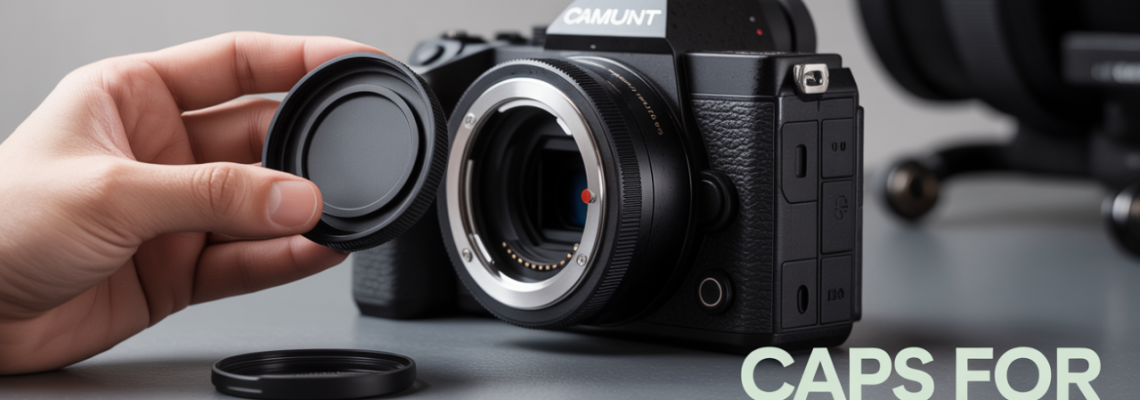
A camera body cap is a small plastic or metal cover designed to seal the open camera body mount (when no lens is attached). It fits into the mount interface and keeps out dust, debris, moisture, and stray particles.
It typically covers the mirror box or sensor chamber (in mirrorless cameras).
It snaps or screws into place, depending on the mount system.
It is often included when you buy a new camera body.
What Is a Lens Mount Cap?
A lens mount cap (also called a rear lens cap) is the counterpart for your lenses. It covers the rear element or mounting surface of a lens when the lens is not attached to a camera body.
It protects the metal contacts, rear glass, and inner surfaces.
It keeps dust, moisture, and accidental scratches away from delicate lens components.
Together, these two caps (body cap + lens mount cap) ensure both halves of the mount stay protected whenever they are separated.
Purpose of Camera Body Cap & Lens Mount Cap
1. Prevent Dust From Entering the Camera Interior
When a body cap is in place, airborne particles cannot drift into the camera’s mirror box or sensor chamber. Without it, dust can settle on sensor surfaces or inner glass, causing spots on images.
2. Protect Optical and Mechanical Surfaces
Lens mount caps shield the lens’s rear optical element and electronic contacts. These surfaces are delicate; a small scratch or fingerprint can degrade image quality or degrade communication between lens and body.
3. Avoid Damage During Storage or Transport
If you remove a lens and transit gear without caps, you're inviting accidental damage. Caps act as simple protective barriers during travel or storage.
4. Maintain Better Sale Value
Used camera gear in pristine condition often commands a higher resale value. Caps help keep surfaces clean and scratch-free, which demonstrates care and quality to potential buyers.
Why Use Camera Body and Lens Caps?
Even if a shoot doesn’t require lens removal, unexpected conditions (rain, dusty environment, sudden change) can cause the need to detach a lens or insert a converter or adapter. Having caps ready ensures you never leave your gear exposed.
Moreover:
Removing a lens briefly for cleaning or inspection becomes safer.
In windy or dusty fields, body caps reduce the risk of contamination.
In cold or humid conditions, caps help insulate inner parts from rapid changes.
How to Protect Camera Sensor from Dust
The sensor is among your camera’s most delicate parts. Here are strategies (beyond just using caps):
Always keep a body cap on when no lens is attached.
Change lenses quickly and with the camera facing downwards to reduce chance of particles falling in.
Use sensor cleaning mode (mirror lock-up or shutter closure) before removing the lens (if your camera supports it).
Use a blower (manual squeeze blower) to expel dust—never a brush or canned air directly on sensor.
Use protective filters on lenses to avoid removing lenses in the field.
Store gear in a clean, dry environment (e.g. sealed bags with silica gel).
Service the sensor professionally if stubborn dust remains.
These habits, combined with always having the body cap in place, significantly reduce dust accumulation.
Importance of Covering Camera Lens Mount
Leaving a lens mount open invites potential issues:
Dust and debris settle on the mount surfaces and contacts.
Moisture and humidity can lead to corrosion or fungus growth.
Physical damage from accidental contact or bumping, scratching contacts or internal gears.
Electrical contacts (in modern lenses) could short or degrade if exposed to the elements.
Covering lens mounts ensures long-term function and clean electrical communication between lens and body.
How to Store Camera Body Safely
Good storage habits amplify the value of body and lens caps. Consider the following:
Store camera body in a padded camera bag or hard case.
Insert the body cap at all times when no lens is mounted.
Place silica gel packets in the bag to absorb humidity.
Use lens mount caps even when lenses are stored separately.
Avoid storing in extreme temperatures or direct sunlight.
Re-check mount surfaces periodically for dust or signs of fungus.
Thus, combining caps with ideal storage conditions maximizes protection.
How to Prevent Dust Inside Camera
Using a holistic, preventative strategy helps more than reactive cleaning.
Limit lens changing in dusty or windy areas.
Keep your working area (bench, table) clean and dust-free.
Always shake out bags or gear cases before placing items inside.
Use protective filters (UV, clear) so that the front glass becomes the first point of contact.
Periodically inspect seals (for weather-sealed cameras) and replace worn gaskets.
Over time, these habits significantly reduce internal dust build-up.
Camera Maintenance Tips for Beginners
New photographers often underestimate the importance of protective gear. Here are beginner-friendly tips:
Invest in quality body and lens caps .
Label your caps (cap “front lens A,” “body for Nikon,” etc.) to avoid confusion.
Always put the lens cap on first, then body cap when disassembling gear.
Clean mount surfaces gently with a microfiber cloth.
Use a blower before using sensor cleaning mode.
Keep a small dust cover cloth in your camera bag for emergencies.
Avoid storing gear in dusty rooms or open shelves.
These small routines go a long way in protecting your investment.
Do You Need a Camera Body Cap?
Yes. If you ever remove a lens, a body cap is essential. Even a brief exposure can allow dust or debris in.
Moreover:
Without a cap, internal components (mirror mechanism, sensor, shutter blades) are vulnerable.
Replacement body caps are inexpensive and easy to carry.
For mirrorless systems, sensor exposure is even more direct — increasing the safety margin a body cap offers.
So even if lens removals are rare, having a reliable body cap ready is low cost and high benefit.
Benefits of Lens Mount Caps
Let’s enumerate practical benefits:
Maintain optical clarity by protecting rear glass.
Preserve electronic contact health (data lines, communication pins).
Avoid fungus by barring humidity and spores.
Prevent mechanical damage to bayonet flanges and mount edges.
Simplify transport—you can safely separate lens and body without fear.
DSLR Body Cap vs Mirrorless Body Cap
While the purpose is similar, there are differences:
DSLR body caps often protect a mirror box mechanism and the focusing screen.
Mirrorless body caps may also protect the sensor directly (no mirror blocking).
Some mirrorless cameras require the camera’s shutter or internal shutter to close before the cap can capture properly.
In mirrorless systems, the risk of sensor contact is higher, so quality caps and fast usage matter more.
Thus, ensure you choose the proper cap compatible with your system (e.g., Canon RF, Sony E, Nikon Z, etc.).
Best Practices for Camera Storage
Here is a checklist you can follow:
These guidelines, paired with proper caps, keep gear ready and long-lasting.
Camera Body Cap Compatibility Guide
Mount systems vary, and caps are not universal. Here’s how to choose:
Match your mount type (e.g. Canon EF, Nikon F, Canon RF, Sony E, Micro Four Thirds, etc.).
Check third-party compatibility — many third-party caps exist, but quality matters.
Confirm internal diameter and bayonet slots match.
Prefer caps with gasket seals if you shoot in humid or dusty areas.
Inspect for contact pins interference — avoid caps that press or damage contacts.
By following that, you avoid mounting issues or damage to contacts and surfaces.
How to Avoid Fungus in Camera Body
Fungus thrives in dark, humid environments. To avoid it:
Use desiccants (silica gel) in your storage space.
Avoid storing gear in basements or damp rooms.
Occasional sun exposure or airflow helps (but don’t bake your gear).
Use UV light insect/fungus treatments (brief, safe exposures) in storage boxes.
Periodically inspect the body mount and interior for signs of growth.
Capping your gear consistently reduces the surfaces on which fungus can establish.
Lens Mount Protection Tips
Always attach the rear lens cap immediately when removing a lens.
Keep a small envelope or pouch of caps in your bag (in case you lose one)
Don’t touch glass or contacts; use a blower if needed.
Clean your mount surfaces gently before attaching lens.
Keep extra dust cloths or lens pouches to shield mounts during transport.
These habits preserve lens integrity over time.
What Happens if You Lose Your Camera Cap
Losing either the body or lens mount cap may seem trivial, but it can lead to:
Dust, debris, or moisture entering the system
Scratches or damage to mount flanges or contacts
A greater risk when transporting gear
Increased cleaning frequency and possible sensor issues
If you lose a cap, replace it immediately. In a pinch, you can use a makeshift cover (such as clean plastic wrap and rubber bands) until a proper cap arrives—but only for very short-term storage.
How to Clean Lens Mount Area Safely
When it’s time to clean:
Power off the camera or remove battery (to avoid accidental actuation).
Use a hand blower (not canned air) to remove loose dust.
Use a soft, clean microfiber cloth or a sensor brush (if designed for mounts) — lightly wipe the mount surface.
For stubborn grime, moisten a sensor-grade cleaning swab or lint-free cloth with isopropyl alcohol (≈ 99%) — always refer to manufacturer’s guidance.
Avoid touching the sensor or mirror surfaces.
Re-attach the body cap after cleaning, and inspect before remounting a lens.
These steps help maintain contact health and minimize wear.
Real-World Example
A photographer named Maria went on a dusty desert shoot. She changed a lens midday, forgot to reattach the body cap, and sand blew into her camera body. That night, she developed dozens of dust spots on her images.
After that, Maria adopted a rigid routine:
Always keep the body cap in her pocket when a lens is off
Change lenses face-down
Use a blower before shooting again
Store gear in sealed cases with silica gel
Over time, her gear remained clean, and she never had sensor issues again.
“People Also Ask” (FAQs)
Q: What does a camera body cap do?
A: A camera body cap seals the open camera mount to protect internal parts (mirror, sensor) from dust, moisture, or damage.
Q: Why is it important to cover a lens mount?
A: Covering the lens mount prevents dust, scratches, moisture, and helps maintain electrical contacts and optical integrity.
Q: Do I need a body cap for a mirrorless camera?
A: Yes — mirrorless systems expose the sensor more directly, so using a proper body cap is even more critical for protection.
Q: How to protect camera sensor from dust when changing lenses?
A: Change lenses facing downward, keep the body cap and lens cap ready, use blower mode, and minimize time with the mount open.
Q: Can I use any body cap for any camera?
A: No — caps must match your camera’s mount (e.g. Nikon F, Sony E). Using wrong caps can cause misalignment or damage.
Q: What if I lose my lens mount cap?
A: Replace it immediately with a compatible one. As a temporary fix, use clean protective wrap, but only for short-term storage.
Q: How often should I clean the lens mount area?
A: Clean as needed — typically before lens changes or storage. Use professional cleaning methods only when necessary, after basic dust removal.
Final Thoughts
Camera Body and Lens Mount Caps might seem trivial — mere plastic pieces — yet their role in gear protection is monumental. From preventing dust intrusion to safeguarding delicate electronics and optics, these basic accessories are a first line of defense.
2 Comment(s)
1
1
1
Leave a Comment